How To Plan Backyard Cooking On A Budget: Strategic Guide
The creation of an effective exterior culinary environment is frequently mischaracterized as a purely aesthetic endeavor. In truth, the development of a functional backyard cooking space requires the same level of rigorous planning, utility coordination, and spatial analysis as any interior room. How To Plan Backyard Cooking On A Budget. Budgetary constraints in this sector are rarely overcome through simple material substitution. Rather, financial efficiency is achieved through the disciplined alignment of culinary requirements with existing site infrastructure.
The primary error committed by many homeowners involves the procurement of high-end appliances before establishing a foundational site plan. This approach often leads to expensive adjustments in utility routing or structural modifications. Effective projects are realized through a phased developmental logic. By prioritizing the essential technical requirements—ventilation, safety clearances, and gas-line proximity—users ensure that every dollar spent directly contributes to the operational capacity of the space.
This technical guide offers an authoritative framework for the development of exterior cooking zones. We strip away marketing-driven imperatives to focus on the mechanical realities of exterior design. The goal remains the establishment of a durable, high-functioning environment through informed decision-making. By applying professional planning strategies, owners can navigate the complexities of exterior construction while maintaining strict control over the total resource expenditure.
Understanding “how to plan backyard cooking on a budget”
When professionals analyze how to plan backyard cooking on a budget, they focus on the hidden drivers of project inflation. A common failure mode involves the early selection of premium appliances without considering the supporting infrastructure. In many cases, the cost of extending gas, electrical, or plumbing lines outweighs the price difference between distinct grill models. By deferring final equipment selection until the site layout is optimized, owners prevent expensive changes during the critical installation phase. This analytical method ensures that resources are allocated toward structural permanence rather than transient luxury.
The risks associated with poorly managed budgets are significant. Attempting to lower expenses by utilizing interior-rated materials remains a primary failure mode in this sector. Such shortcuts lead to early material fatigue, moisture absorption, and structural rot, necessitating full-scale demolition within several years. Instead, understanding how to plan backyard cooking on a budget requires a focus on efficient, high-performance designs that utilize modular, non-combustible frames. These systems decrease labor hours on-site, providing a predictable path toward completion while adhering to strict safety standards.
Furthermore, the discourse surrounding fiscal management must be grounded in the context of the project’s program. A design requiring complex sink stations or extensive refrigeration is vastly more expensive to service than a streamlined grilling center. True mastery of the field requires the ability to reconcile the intended culinary program with the physical limitations of the site. It is this marriage of rigorous performance science and deliberate, site-responsive planning that defines the upper tier of professional practice.
Deep Contextual Background and Systemic Evolution
The evolution of permanent cooking hardware in the American landscape reflects a shift from utilitarian fire-pits to highly sophisticated culinary workstations. Early models lacked the thermal mass and safety features common in contemporary units. Those versions relied on basic steel fabrication that degraded quickly in outdoor environments. As interior culinary technology advanced, the market demanded equivalent performance for the exterior. This pressure catalyzed a revolution in heat-transfer materials and modular integration systems.
We are presently in an era characterized by material science maturation. The move toward 316-grade stainless steel, high-performance ceramics, and digitally controlled combustion cycles has moved the needle on what is possible. The modern built-in kitchen serves as an extension of the building envelope. It requires compliance with stringent fire safety codes and, increasingly, integration into the “smart home” energy management grid. This evolution reflects the increasing integration of indoor and outdoor residential environments. The exterior kitchen now functions as a permanent, high-value asset rather than a temporary amenity.
Conceptual Frameworks for Stewardship
The Utility Consolidation Framework
This mental model advocates for placing the culinary zone as close as possible to existing interior utility lines. Minimizing the distance for gas, water, and electrical extensions provides immediate savings in labor and materials. By reducing trenching requirements, owners lower the largest variable cost in most exterior projects. Efficient routing of pipes simplifies compliance and safety inspections.
The Modular Prefabrication Strategy
This framework prioritizes factory-built frames over custom-built masonry on-site. Prefabricated components arrive with predefined tolerances and attachment points, significantly decreasing the specialized trade labor needed for installation. Eliminating the need for high-level carpentry or stonemasonry on-site reduces the volatility of the project budget. Reliable components ensure that installation times remain within projected limits.
The Lifecycle Value Model
This model assesses the return on investment over a ten-year duration rather than just the initial price tag. Spending more on high-performance materials initially prevents early maintenance and replacement expenses. This approach treats the kitchen as a long-term asset. Wise allocation of funds at the beginning creates a sustainable path for property owners.
Key Categories and Variations of Budget Optimization
| Strategy Category | Fiscal Objective | Primary Impact | Execution Risk |
| Modular Framing | Labor Reduction | High | Low |
| Site Proximity | Utility Savings | Very High | Low |
| Material Standardization | Procurement Efficiency | Moderate | Low |
| Appliance Phase-In | Cash Flow Management | Moderate | Moderate |
The decision-making logic for financial optimization should follow the project’s long-term utility goals rather than immediate gratification. For users prioritizing a robust grilling program, focus on the primary appliance and its structural frame. For those seeking a social entertainment center, prioritize the configuration of counter surfaces and seating arrangements over specialized gadgets. Weighing these trade-offs ensures the project aligns with the intended use pattern of the owner.
Detailed Real-World Scenarios How To Plan Backyard Cooking On A Budget
Proximity-Driven Infrastructure Reduction
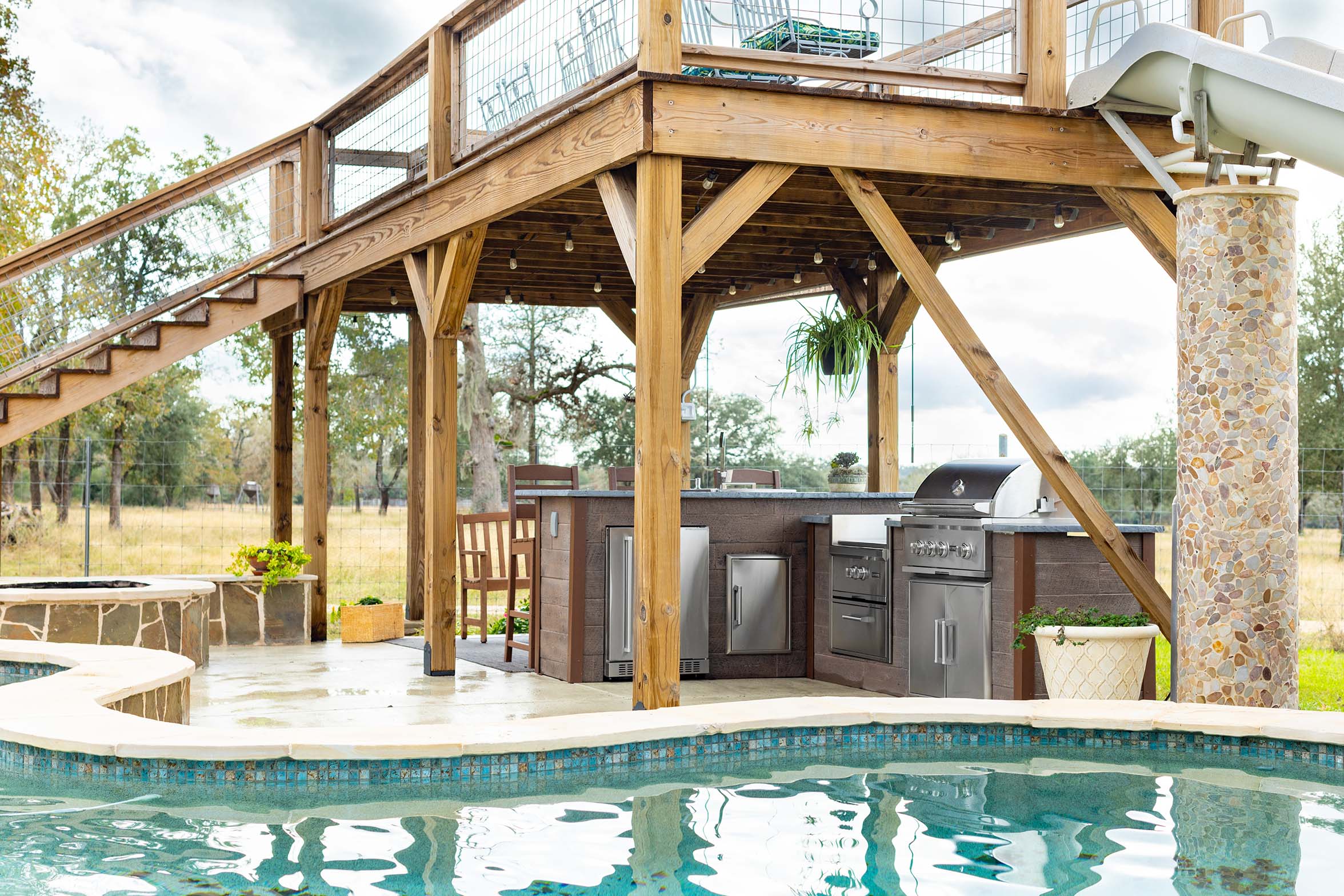
A project situated far from existing home utilities faces explosive cost increases. The resolution involves reorienting the kitchen toward the house exterior walls. This alignment utilizes existing utility ports, eliminating hundreds of feet of trenching. Precision in the planning stage prevents massive overruns during the excavation and plumbing phase.
Modular Frame Integration
Custom-framed masonry projects often suffer from labor overruns due to site variables. The failure mode is the ballooning cost of skilled labor working in uncontrolled outdoor conditions. The resolution is the installation of a high-density, non-combustible modular frame system. These components are installed in a fraction of the time, providing a solid foundation for finish materials without the associated trade risk.
Phased Appliance Specification
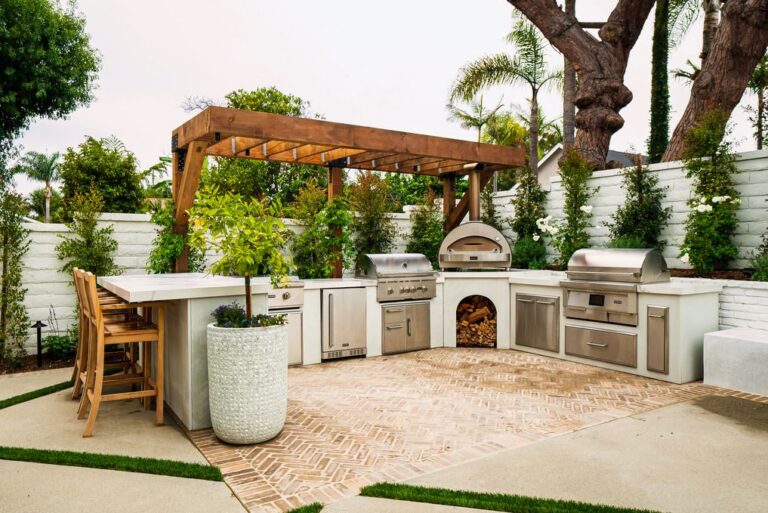
Initial budgets often fail because owners attempt to purchase every component at the outset. The decision point is to design for the future while investing only in the primary grilling unit immediately. Cabinets are framed and finished with blank panels, allowing for the later installation of refrigerators or additional storage. This staging strategy balances immediate enjoyment with long-term financial stability.
Planning, Cost, and Resource Dynamics
| Phase | Investment | Primary Variable | Risk Level |
| Planning/Engineering | Low | Scope Clarity | Low |
| Site Rough-ins | High | Utility Distance | High |
| Structural Integration | Moderate | Trade Availability | Moderate |
The cost of a permanent installation involves far more than just the retail price of the machine. The secondary expenses—the fabrication of non-combustible enclosures, professional electrical sign-offs, and structural verification—often accumulate rapidly. A budget that ignores these hidden variables frequently fails to reach completion. Accurate financial forecasting must include these essential infrastructure requirements for successful project delivery.
Tools, Strategies, and Support Systems
Site Infrastructure Survey
This tool remains essential for identifying existing utility capacity and minimizing the need for new lines.
Non-Combustible Modular Kits
These units reduce the need for specialized on-site framing labor and ensure safety code compliance.
Value-Engineered Finish Materials
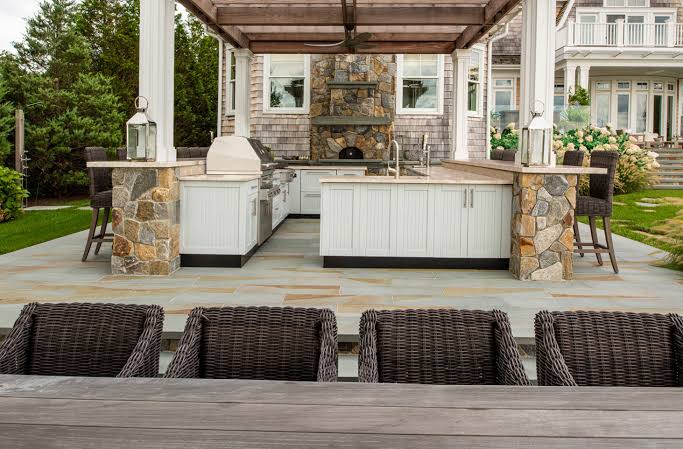
Owners prioritize durable, locally sourced stone or composite veneers that mimic high-cost materials to manage expenses.
Component-Based Budgeting
This strategy separates the cost of appliances from the cost of the structural shell to improve project transparency.
Third-Party Safety Audits
Such reviews prevent costly re-work by ensuring the project meets code requirements early in the installation.
Standardized Appliance Openings
Designers use universal cut-out dimensions to allow for future unit upgrades without requiring expensive structural changes.
Risk Landscape and Failure Modes
The primary failure mode when evaluating how to plan backyard cooking on a budget is the reliance on interior-rated cabinetry. Moisture finds its way into these pockets, leading to rapid rot and structural instability. Compounding this is the neglect risk, where the system is designed without clear access points for service. A robust taxonomy of risk must emphasize the accessibility of all sub-assemblies. Professionals should classify every connection point based on its risk of corrosion to ensure that only the most resilient materials are used in vulnerable areas.
Governance, Maintenance, and Long-Term Adaptation
Mastering the long-term cost profile requires a structured approach to longevity. The performance baseline involves establishing a documented record of the initial utility testing to act as a reference for future audits. Periodic maintenance cycles ensure the scheduled cleaning of burner components and drainage systems to maintain efficiency. Homeowners must treat these exterior systems with the same level of care as their primary interior kitchens. Adaptive component replacement treats all exterior-rated seals and gaskets as finite-life assets designed for periodic, non-destructive replacement.
Measurement, Tracking, and Evaluation
-
Leading Indicators: The success of the initial utility layout and site clearance testing performed before construction begins.
-
Lagging Indicators: The total maintenance and repair expenditure per annum, normalized against the actual usage frequency.
-
Documentation Example: The “System Integrity Log,” which captures the original design intent, the structural material compatibility matrix, and the results of annual performance reviews.
Keeping accurate records provides clarity on the ongoing health of the appliance. Such data proves invaluable when troubleshooting performance problems later.
Common Misconceptions
-
Myth: “Custom-built masonry is always the cheapest option.” Correction: On-site trade labor for custom masonry is highly volatile and rarely offers the predictability of modular systems.
-
Myth: “Interior-grade cabinets can be waterproofed.” Correction: Interior cabinets will fail in exterior conditions regardless of sealing attempts; only purpose-built materials ensure longevity.
-
Myth: “Reducing the scope later is easy.” Correction: Changes to gas or electrical infrastructure after the foundation is poured represent the most expensive errors in construction.
-
Myth: “All contractors provide the same level of technical detail.” Correction: High-performance exterior design requires specialized knowledge of gas safety and materials, which is not universal among general contractors.
Ethical, Practical, and Contextual Considerations
The duty to create high-performance outdoor spaces is a core ethical obligation for any professional designer. It is a commitment to the owner that the space will remain safe, functional, and aesthetically stable regardless of the environmental conditions. It is the practical realization of high-performance design, acknowledging that the most significant failure points in any building system are the interfaces where materials and heat-generating appliances meet. When you research how to plan backyard cooking on a budget, prioritize the reliability of the system above all else.
The true mark of an excellent installation is one that functions perfectly while remaining resilient to years of exposure. These spaces are more than luxury; they are complex technical environments that must adhere to the same safety rigor as any interior zone. Designers must consider the environmental impact of material sourcing, opting for durable solutions that reduce the need for premature replacement. Sustainability in this context means building once and building correctly, creating a space that respects both the architecture of the home and the surrounding landscape.
Conclusion
The pursuit of the how to plan backyard cooking on a budget standard is a rigorous engineering exercise that demands a departure from the superficial nature of consumer marketing. By prioritizing thermal performance, material resilience, and systemic integration, the professional can transform a functional appliance into a durable, high-performance architectural feature. Success in this field is measured not by the complexity of the hardware, but by the quiet, consistent performance of the system over years of intensive use. True authority in this domain is earned through the patient application of building science. This ensures that the permanent culinary workspace remains a reliable, safe, and sophisticated bridge between the home and the environment it occupies.