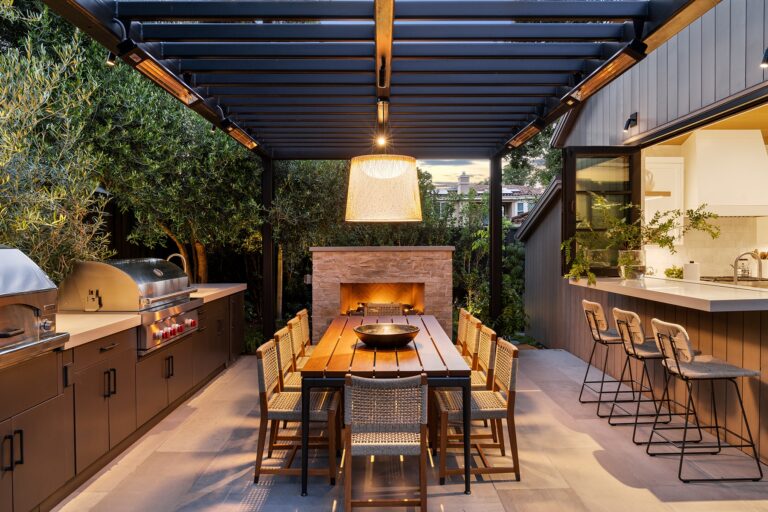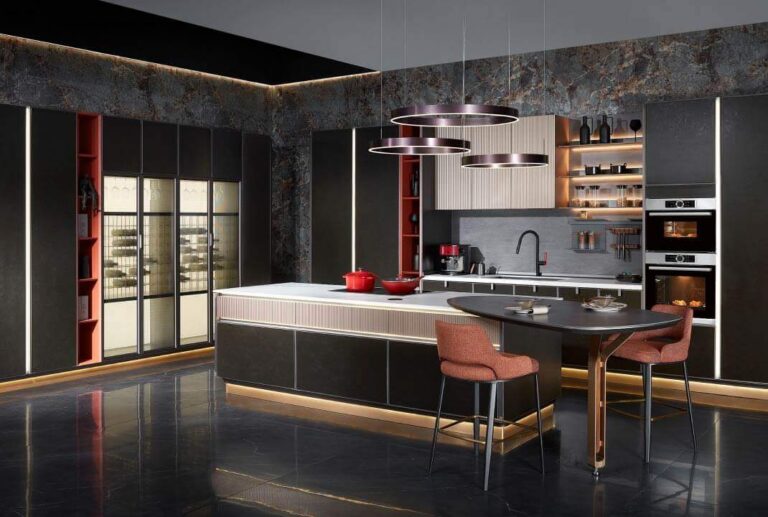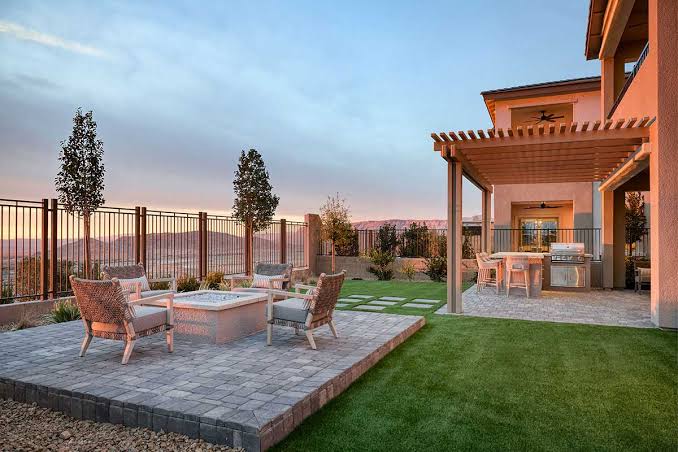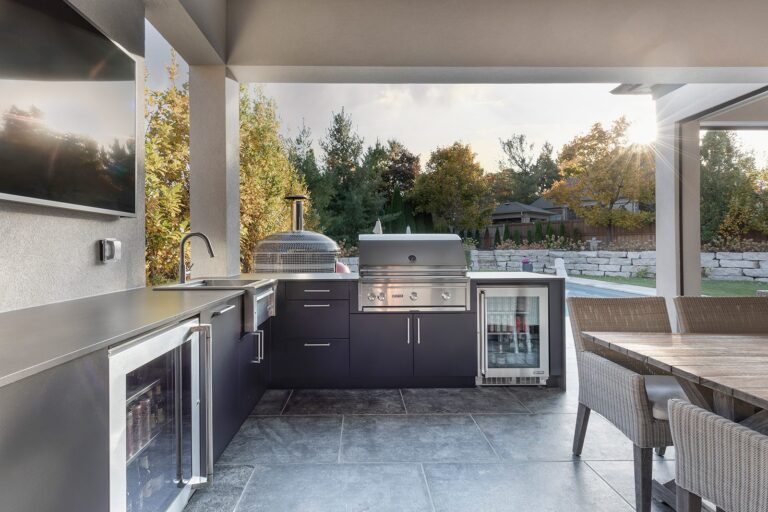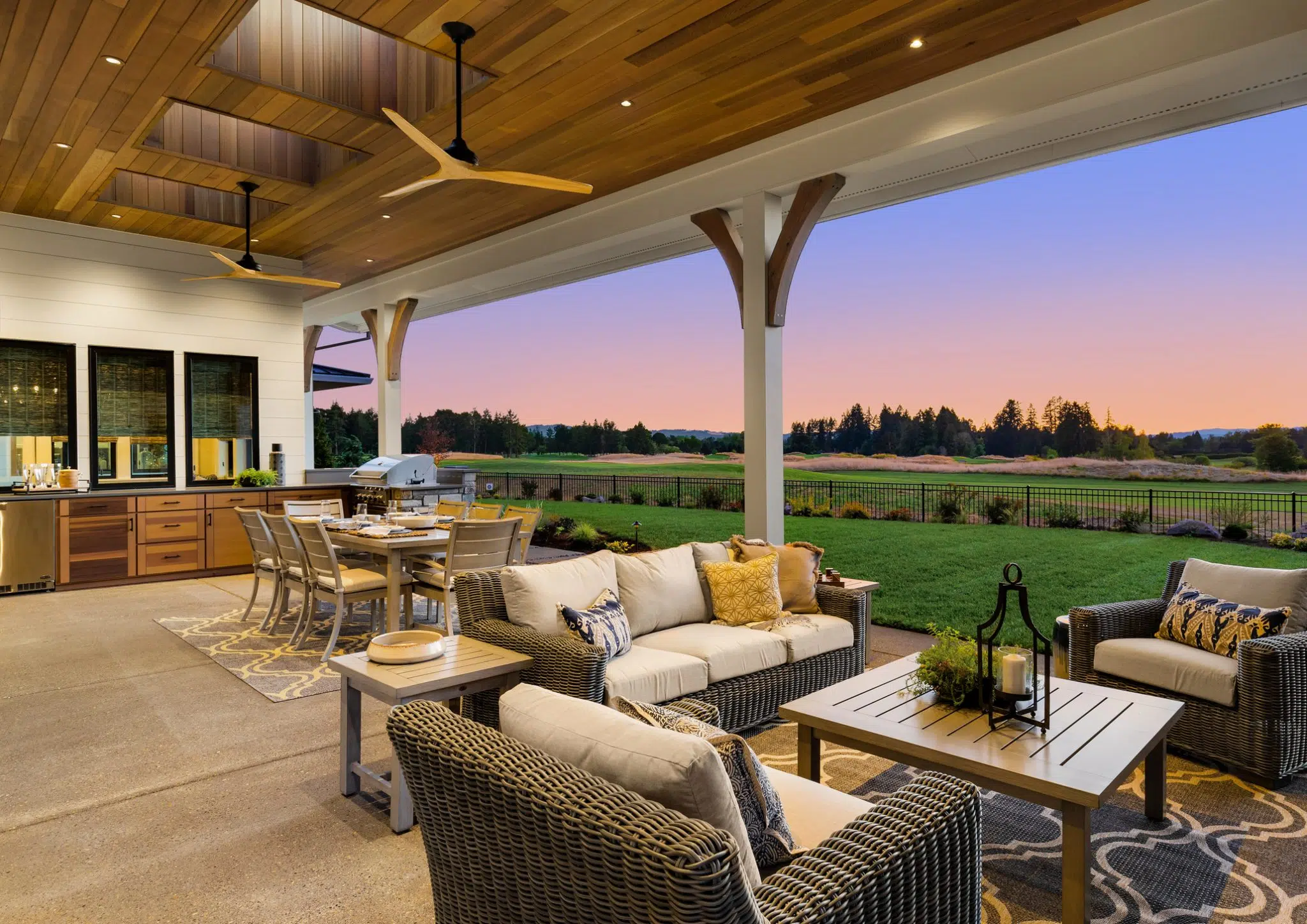
Luxury Patio Kitchens America: Professional Design Guide
The integration of culinary facilities into residential exterior spaces marks a significant advancement in domestic design. Modern property owners increasingly view the patio not as a secondary amenity, but as a core component of the living envelope. Luxury Patio Kitchens America. Engineered environments that facilitate high-level cooking outside require meticulous attention to thermal loads, drainage systems, and material durability. Successful outcomes are reached when the design respects the immutable laws of physics inherent in unconditioned exterior zones.
High-performance builds necessitate a transition from simple assembly to rigorous architectural planning. Every element, from the specification of the stainless steel alloy to the placement of remote-ventilation blowers, is treated as a component of a larger mechanical system. Oversights during the initial planning phase lead to rapid material degradation and mechanical failure. This analysis provides a definitive reference for achieving professional-grade results in elite residential settings.
True architectural mastery is found in the seamless synthesis of aesthetic form and functional rigor. Environments that stand the test of time are built upon a foundation of technical honesty. By prioritizing structural resilience and utility-grid integrity, the professional creates a space that remains a high-value asset for decades. This guide serves to clarify the complex requirements of elite exterior projects.
Understanding “luxury patio kitchens america”
When industry professionals evaluate luxury patio kitchens america, they move past superficial branding to assess the integrity of the mechanical backbone. A primary error occurs when developers treat an exterior build with the same standards as an interior kitchen. The exterior environment poses unique stressors that require specialized solutions. If the building science is ignored, the most expensive hardware will eventually succumb to moisture, thermal cycling, or galvanic corrosion.
The Dangers of Oversimplification
Marketing narratives often reduce these projects to a collection of high-end appliances. However, the performance of the kitchen is dictated by the infrastructure that supports it. A high-output grill is ineffective if the gas lines are undersized or the electrical ground is compromised. Designers who fail to audit the mechanical requirements before breaking ground create environments that are both unsafe and fragile.
Structural Cohesion and Flow
The elite culinary space functions as a coherent architectural volume. Sightlines are meticulously managed to ensure the outdoor kitchen feels like a natural extension of the residence. Movement between the prep, cooking, and cleanup zones must be fluid and logical. Achieving this level of operational efficiency requires early coordination between the landscape architect, the mechanical engineer, and the specialist builder.
Deep Contextual Background of American Outdoor Builds
Residential exterior design evolved from basic, seasonal grilling stations into sophisticated, year-round living ecosystems. This transition was fueled by the refinement of weather-resistant materials and the maturation of industrial-grade residential appliances. Property owners today expect their exterior spaces to deliver the same consistency as their primary indoor culinary areas. This shift represents a fundamental maturation of the American domestic landscape.
Evolution of Material Science
The development of high-chromium, marine-grade stainless steel was essential for the progress of this industry. These materials provided the necessary resistance to oxidation for permanent outdoor exposure. Innovations in synthetic composites further allowed for the construction of durable, high-capacity islands. Modern manufacturers now utilize modular assembly, which enables a level of precision that was historically difficult to achieve in the field.
Societal Shifts in Residential Usage
Post-pandemic life accelerated the demand for high-functioning, multi-purpose exterior retreats. The home is now seen as a complete ecosystem capable of sustaining diverse activities. This demand forced designers to integrate sophisticated digital connectivity and automated climate control. These features transform the patio from a simple cooking zone into a versatile, all-season sanctuary.
Conceptual Frameworks for Landscape Stewardship
The Thermodynamic Load Model
This framework treats the cooking station as a heat-generating system. Strategic insulation must be employed to protect surrounding masonry from radiant damage. Proper air gaps are incorporated to ensure that the cabinetry structure remains within safe temperature limits.
The Electrochemical Stability Paradigm
Metallic components in an exterior environment are prone to galvanic decay. This model necessitates the use of non-conductive spacers and dedicated grounding paths to prevent corrosion. The primary goal is the maintenance of the metal’s protective chromium oxide layer.
The Integrated Drainage Hierarchy
Water management is the critical determinant of structural longevity. This framework mandates that all cabinetry enclosures facilitate rapid moisture evacuation through weeping systems. The model assumes that water ingress is inevitable, focusing design effort on safe internal discharge paths.
Key Categories and Variations of Construction Errors
| Construction Category | Design Focus | Complexity Level | Remediation Difficulty |
| Gas Utility Routing | Pressure Management | Very High | Severe |
| Moisture Evacuation | Drainage Channels | Moderate | High |
| Material Specification | Corrosion Resistance | High | Moderate |
| Structural Thermal Frame | Insulation Integrity | Moderate | High |
Optimal decision-making requires analyzing the local climate’s unique stressors. In high-humidity, coastal regions, the material specification must focus on salt-air resistance. Arid climates necessitate high-albedo materials to prevent heat accumulation. A localized engineering plan is required for every project to ensure long-term stability.
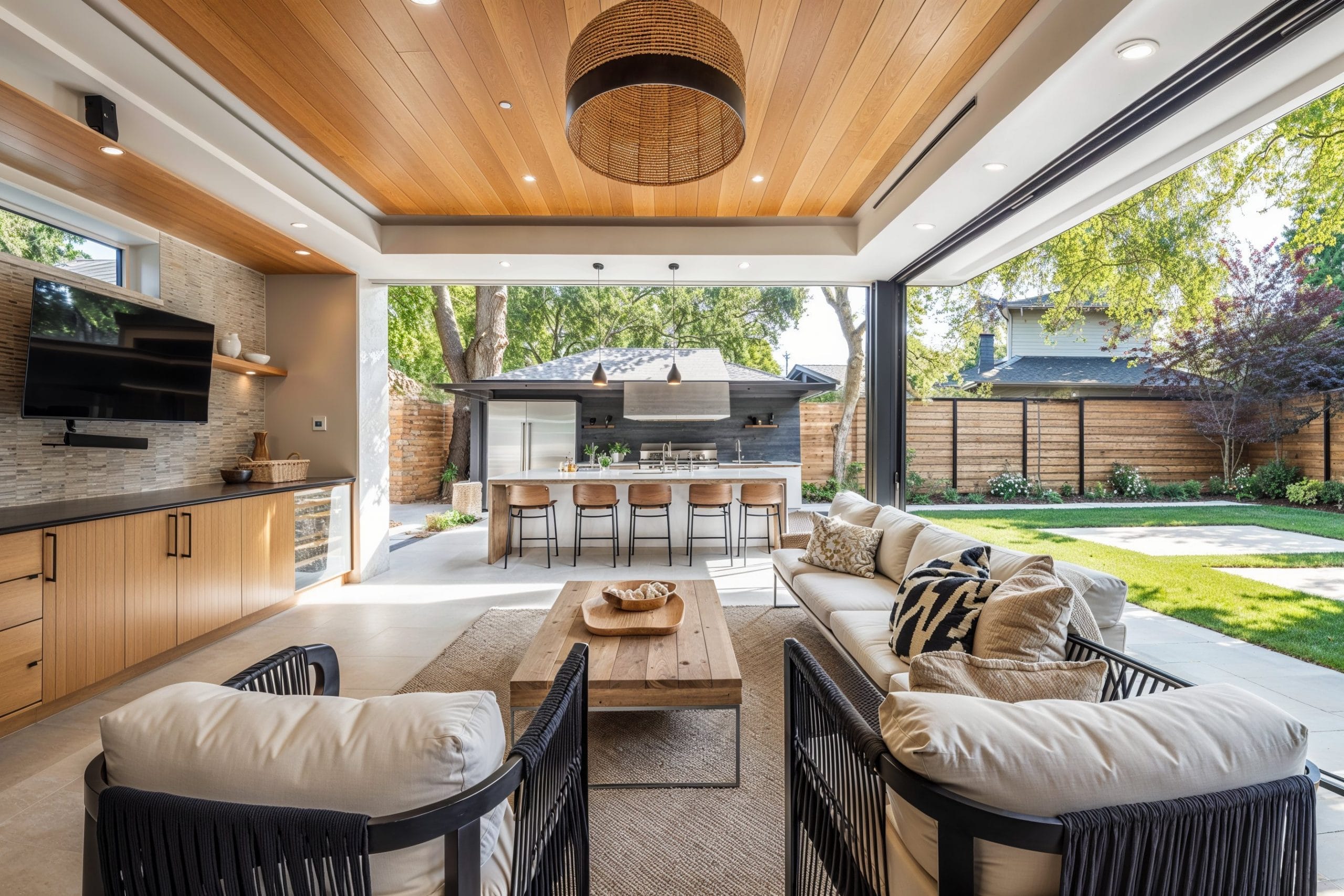
Detailed Real-World Scenarios Luxury Patio Kitchens America
Coastal Corrosion Mitigation
An installation near the ocean failed because standard 304-grade steel was used. The salt-rich environment caused immediate pitting. The remediation required a full replacement with 316-grade marine stainless steel. This highlights the vital importance of matching material specifications to site chemistry.
Combustible Framing Hazard
A builder utilized pressure-treated wood for the structural frame of an appliance island. Radiant heat caused the wood to char, creating a significant fire risk. The correction involved retrofitting with a steel-stud frame and insulated jackets. These failures serve as stark reminders of the importance of fire-rated design.
Moisture-Induced Inundation
An island design lacked adequate internal ventilation. Humidity trapped within the structure led to rapid delamination of finishes and electronic failure in the refrigeration unit. Retrofitting louvers to promote airflow solved the issue. Proper ventilation is mandatory for the longevity of all exterior electronics.
Planning, Cost, and Resource Dynamics
| Expenditure Phase | Allocation Range | Variable Driver | Risk Factor |
| Utility Grid Setup | 20–40% | Trenching Logistics | High |
| Structural Masonry | 30–45% | Material Grade | Moderate |
| Appliance Procurement | 20–40% | Performance Tier | Low |
| Protective Finishes | 10–25% | Surface Quality | Moderate |
Financial success is frequently undermined by underestimated labor costs. Trenching for gas, water, and data lines is rarely predictable. Professional-grade utilities are the foundation of a successful build. Capital should be allocated to these hidden technical requirements rather than purely superficial cosmetic upgrades.
Tools, Strategies, and Support Systems
Infrared Thermal Mapping
These diagnostic tools identify heat concentration points on the masonry, allowing for precise placement of cooling vents.
Soil Conductivity Testing
Understanding the ground chemistry informs the installation of electrical grounding and subterranean utility pipes.
Modular Assembly Jigs
Pre-fabricated framing systems ensure that factory tolerances remain consistent, reducing the possibility of on-site errors.
Humidity Monitoring Sensors
These automated systems detect moisture levels within the cabinetry, triggering active ventilation when necessary.
Passivation Chemical Treatment
Regular application of specialized agents restores the protective chromium oxide layer on stainless surfaces.
Risk Landscape and Failure Modes
System failure usually results from a confluence of minor oversights. Poorly sealed joints allow water ingress, while inadequate ventilation prevents drying. This environment facilitates electrical shorts and fastener oxidation. A rigorous risk taxonomy includes the breakdown of safety interlocks, the fatigue of hidden supports, and the corrosion of electrical junctions. Proactive, regular audits are the only method to mitigate these threats.
Governance, Maintenance, and Long-Term Adaptation
A high-performance installation demands a structured management cycle. Biannual audits should include testing gas-manifold seals and verifying electrical ground continuity. Protective metallic finishes require seasonal restoration. Any performance degradation, such as uneven burner ignition, mandates immediate investigation. A detailed maintenance log is essential for preserving the asset’s value over its service life.
Measurement, Tracking, and Evaluation
-
Leading Indicators: The speed and consistency of burner ignition under variable ambient temperatures and humidity.
-
Lagging Indicators: The frequency and cost of parts replaced due to corrosion or moisture-related faults.
-
Documentation Example: The Infrastructure Integrity Log, capturing utility capacity, grounding tests, and inspection results.
Accurate record-keeping enables efficient troubleshooting. It provides the data required for long-term planning and future system upgrades. Documentation represents a critical component of institutional property management.
Common Misconceptions and Oversimplifications
-
Myth: “Outdoor hardware is maintenance-free.” Correction: High-performance components are sensitive to environmental stressors and require consistent servicing.
-
Myth: “Standard residential cabinetry is sufficient for the outdoors.” Correction: Humidity causes inevitable delamination and rot in interior-grade materials.
-
Myth: “Grills do not require active ventilation.” Correction: Heat buildup causes permanent material damage and creates significant fire risks.
-
Myth: “DIY utility plumbing is appropriate for large builds.” Correction: Incorrect fittings often result in dangerous gas leaks that require total system replacement.
Ethical, Practical, and Contextual Considerations
The responsibility of the designer is to ensure the absolute safety of the user. Recommending substandard materials is a failure of professional ethics that poses significant risk. Practice demands strict adherence to local building codes regarding fire safety and gas distribution. A luxury patio kitchens america build must serve as a model of technical engineering. Ethical planning respects the owner’s investment while minimizing the environmental impact of construction.
Conclusion
The creation of an elite exterior culinary facility is an exercise in rigorous engineering discipline. Aesthetics must be subordinate to the mechanical integrity of the build. By prioritizing the structural envelope and moisture-management protocols, the professional creates an asset that withstands the passage of time. Authority is earned through the patient application of building science. This approach results in a workspace that offers reliability, safety, and consistent functionality for years to come.