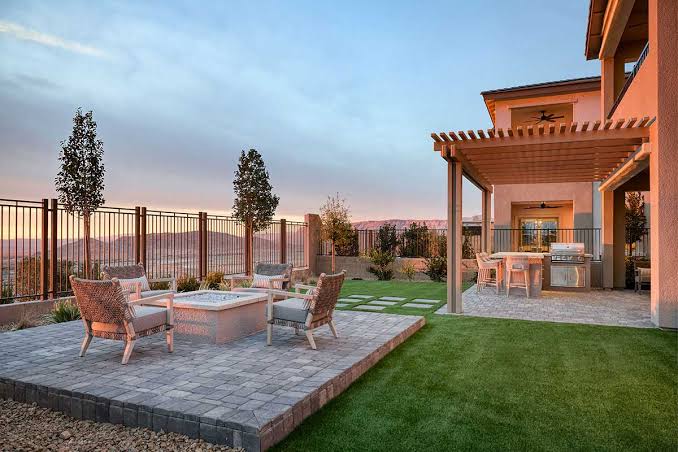
Top Outdoor Living Spaces In America: Technical Design Guide
The evolution of residential architecture has moved toward the blurring of interior and exterior boundaries. Today, the most sophisticated homes treat the landscape as a primary extension of the living envelope. Top Outdoor Living Spaces In America. This shift reflects a deeper understanding of environmental psychology, where the connection to the external world is curated for both respite and social utility. Superior design transcends simple landscaping; it integrates climate control, structural permanence, and ergonomic flow.
True architectural success in this domain is measured by the resilience of the space to the local environment. Landscapes that fail to account for site-specific thermal loads or drainage requirements often become maintenance burdens. The best projects are realized through a disciplined collaboration between landscape architects, structural engineers, and material scientists. Every square foot is optimized for both visual impact and long-term mechanical stability.
This analysis deconstructs the structural, aesthetic, and functional requirements of high-performance exterior environments. We move past common marketing trends to focus on the technical realities of building permanent, durable, and highly functional retreats. By applying a rigorous editorial lens, this guide serves as a reference for homeowners and designers seeking to achieve the standard of the finest exterior environments found across the country.
Understanding “top outdoor living spaces in america”
When professionals evaluate the top outdoor living spaces in america, they ignore the surface-level trends that prioritize transient fashion. The core of elite exterior design is the successful navigation of site constraints—solar orientation, prevailing wind patterns, and the physical characteristics of the underlying soil. Many projects fail because the budget is exhausted on finish materials, such as high-cost stone or furniture, while neglecting the critical structural infrastructure. This oversight leads to drainage failures, early material rot, and the eventual obsolescence of the installation.
The Risk of Oversimplification
A common misunderstanding is the belief that residential exterior design is merely an aesthetic endeavor. In practice, building a functional, all-season space is an engineering challenge. Designers must solve for water management, thermal mass distribution, and the long-term chemical durability of exposed structures. Oversimplification—such as neglecting the impact of UV degradation or failing to account for regional frost lines—compromises the safety and longevity of the entire project.
Achieving Architectural Cohesion
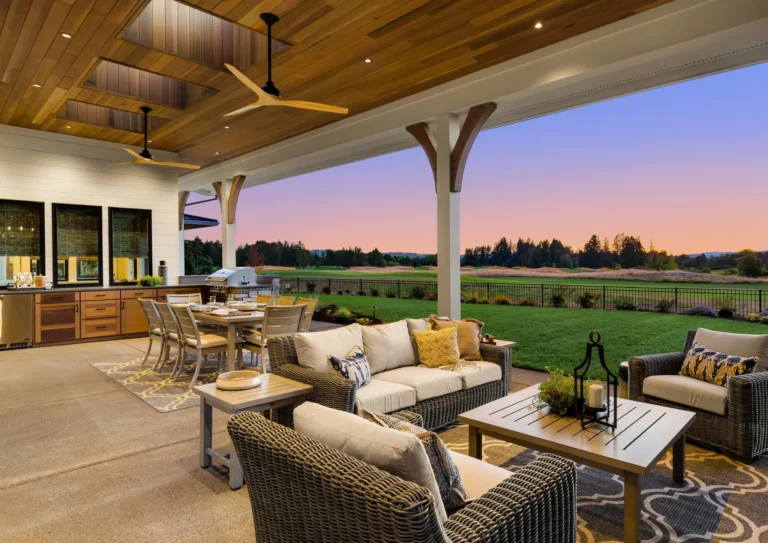
The most successful spaces act as a seamless continuation of the home’s interior. This is achieved by aligning interior flooring planes with exterior terraces and maintaining a consistent architectural vocabulary across the threshold. Spatial flow is optimized through careful placement of transitions, ensuring that movement between zones is intuitive. When design elements are unified in this manner, the exterior space attains the same level of utility as the interior living room.
Deep Contextual Background of American Landscapes
Historically, domestic exterior design in the United States was largely utilitarian, consisting of simple decks or paved patios. As societal preferences shifted toward wellness and social connectivity, these spaces became central hubs for residential activity. Innovations in structural composites and high-performance weather-resistant materials allowed for the creation of more elaborate exterior systems.
Industrial Material Evolution
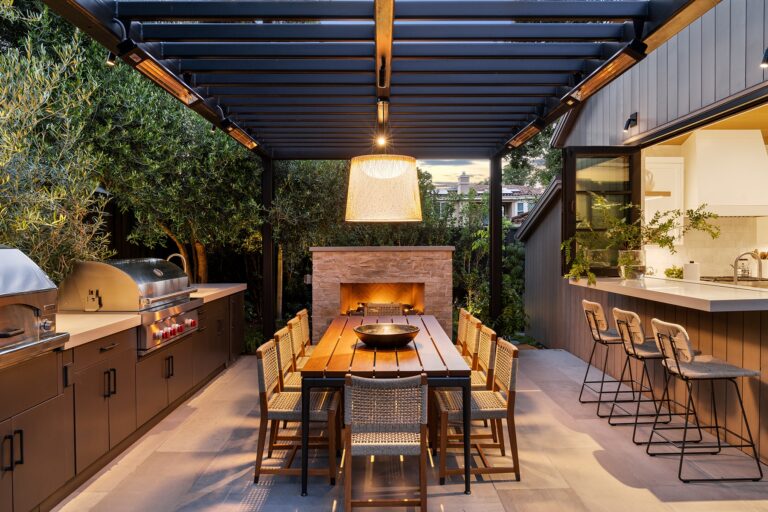
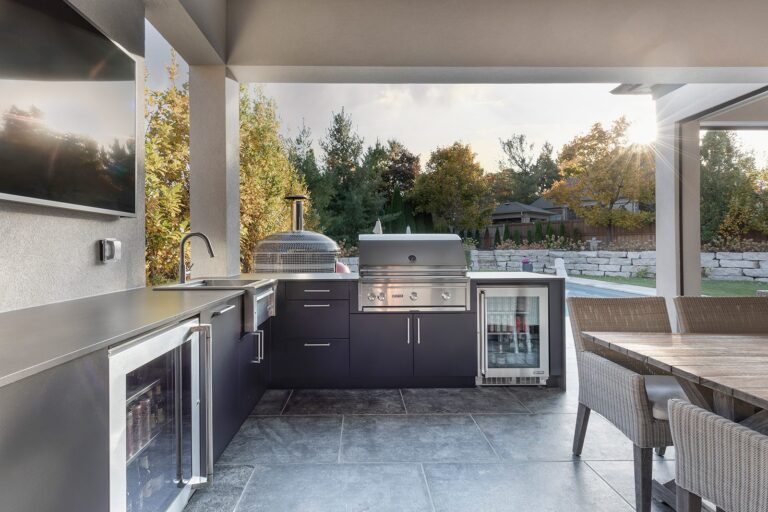
The contemporary era is defined by the widespread adoption of resilient synthetic materials. These developments have permitted the construction of permanent kitchens, fireplace hearths, and climate-controlled gazebos. Because of these advances, homeowners now expect their exterior spaces to function with the same reliability as their kitchens and media rooms. This transition represents a significant leap in the technical capacity of residential property assets.
Cultural Shifts in Usage
Post-pandemic expectations have further accelerated the demand for sophisticated, multi-functional exterior retreats. The modern resident views their property as a complete ecosystem, rather than a house situated on a parcel of land. This has pushed designers to integrate high-speed digital connectivity and smart-lighting controls into exterior environments. The result is a space that serves as both a high-functioning workplace and a tranquil sanctuary.
Conceptual Frameworks for Landscape Stewardship
The Thermodynamic Site Strategy
This framework prioritizes the management of heat and light. By utilizing strategic shading, thermal mass, and natural airflow, designers create zones that remain comfortable throughout the day. The objective is to mitigate the need for active climate control, ensuring the space is self-regulating whenever possible.
The Integrated Utility Framework
This model treats the exterior as an extension of the home’s mechanical backbone. All electrical, plumbing, and communication lines are routed with the same professional rigor as interior systems. This approach prevents expensive rework and ensures that all appliances function at peak efficiency.
The Ecological Resilience Model
This framework designs for the local climate and native vegetation. By favoring hardy, localized materials, the space requires less intervention and sustains its integrity over time. This approach reduces the environmental footprint of the build while increasing the property’s overall ecological health.
Key Categories and Variations of Construction
| Category | Primary Benefit | Complexity | Sustainability |
| Climate-Controlled Terraces | High Usability | High | Moderate |
| Native Xeriscaping Zones | Low Maintenance | Low | High |
| Integrated Cooking Hubs | Social Utility | Very High | Moderate |
| Multi-Level Decking | Spatial Depth | Moderate | Low |
Successful decision-making depends on the specific programmatic goals of the owner. Those seeking a high-frequency cooking and dining zone should prioritize the integrated utility framework. Users who prioritize aesthetic tranquility and environmental stewardship will favor native xeriscaping or thermally-passive patio designs.
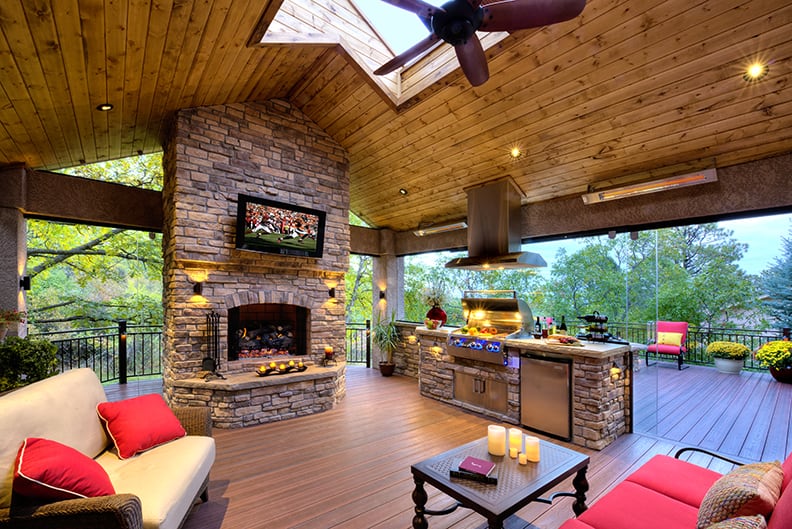
Detailed Real-World Scenarios Top Outdoor Living Spaces In America
Coastal Salt-Spray Resilience
A project located near the ocean requires 316-grade stainless steel and salt-tolerant stone finishes. Failure to specify these materials results in rapid galvanic corrosion. By choosing corrosion-resistant systems, the designer ensures the structure remains stable despite the extreme salinity of the environment.
Mountain-Climate Freeze-Thaw
Projects in alpine regions must address the potential for structural movement caused by freezing soil. The failure mode involves the buckling of rigid pavers. The resolution is the implementation of flexible base layers and reinforced subterranean drainage. Precision in these areas prevents the need for major repairs after the spring thaw.
Urban Heat-Island Mitigation
High-density urban environments trap heat, making exterior spaces uncomfortable during peak summer. The solution involves the use of high-albedo materials that reflect solar radiation. Adding water features and dense, shade-providing vegetation creates micro-climates that significantly lower the ambient temperature.
Planning, Cost, and Resource Dynamics
| Phase | Resource Intensity | Primary Variable | Risk |
| Geotechnical Analysis | Moderate | Soil composition | Low |
| Subterranean Drainage | High | Site topography | High |
| Structural Hardscaping | High | Material weight | Moderate |
| Finishing & Planting | Low | Seasonal timing | Low |
The fiscal health of a project is dictated by early site analysis. Spending on structural integrity during the planning phase is a protective investment. Conversely, attempting to save on foundation or drainage work inevitably leads to expensive post-installation remediation. A contingency fund of at least 15% is recommended for complex terrain.
Tools, Strategies, and Support Systems
Site-Specific Micro-Climate Mapping
This data-driven tool identifies precisely where heat pools and where natural breezes occur on the property.
Geotechnical Drainage Modeling
Advanced simulation ensures that water is diverted away from structural foundations and active living areas.
Remote Structural Monitoring
Sensors placed during construction track shifts in the earth or moisture levels in subterranean components.
Modular Prefabrication
By using factory-built structural elements, the precision of the installation is increased while site disruption is minimized.
Automated Climate Control Systems
Integrated sensors manage lighting and misting units based on real-time temperature and occupancy data.
Risk Landscape and Failure Modes
The primary failure mode for high-performance exterior spaces is the neglect of subterranean infrastructure. Water that is allowed to sit against a retaining wall or foundation will eventually cause mechanical failure. Compounding this is the issue of material incompatibility, where incompatible metals or sealants lead to rapid degradation. A comprehensive risk taxonomy identifies the moisture, load, and chemical interactions that pose the highest threat to the installation’s stability.
Governance, Maintenance, and Long-Term Adaptation
A permanent exterior environment is an asset that demands a proactive management cycle. Biannual audits should be conducted to inspect drainage channels, test electrical junctions, and check the passivation levels of metallic components. Owners must document the performance of their system, treating it with the same respect as the primary residential structure. Adjustments to planting density or hardscape sealants are made based on clear performance triggers.
Measurement, Tracking, and Evaluation
-
Leading Indicators: The efficiency of the site’s water diversion during storm events and the stability of ambient temperatures during peak heat.
-
Lagging Indicators: The total annual expenditure on reactive maintenance and the percentage of time the space remains usable throughout the seasons.
-
Documentation Example: The Exterior Integrity Ledger, documenting the original load calculations, drainage design, and the historical record of all seasonal inspections.
Common Misconceptions and Oversimplifications
-
Myth: “Hardscaping requires no maintenance.” Correction: All exterior surfaces require periodic cleaning and re-sealing to prevent staining and degradation.
-
Myth: “Outdoor appliances function exactly like their interior counterparts.” Correction: Exterior units require specific venting and grounding that most interior appliances do not.
-
Myth: “The most expensive materials are the most durable.” Correction: Performance is defined by the material’s compatibility with the local climate, not the price point.
Ethical, Practical, and Contextual Considerations
The duty to build high-performance landscapes includes a commitment to long-term sustainability. Designers must ethically weigh the impact of material extraction and the energy demands of exterior climate control. Creating an exterior space that respects the local water table and native ecosystem is the mark of a master practitioner. These considerations ensure the property remains a harmonious part of the broader environment.
Conclusion
The pursuit of the standard defined by the top outdoor living spaces in america is an exercise in engineering and patience. By prioritizing the structural backbone and site-responsive design, practitioners create environments that are both beautiful and permanent. Success is measured by the space’s ability to remain stable and functional over decades of exposure. Authority in this field is earned through the consistent application of technical knowledge and ethical craftsmanship.