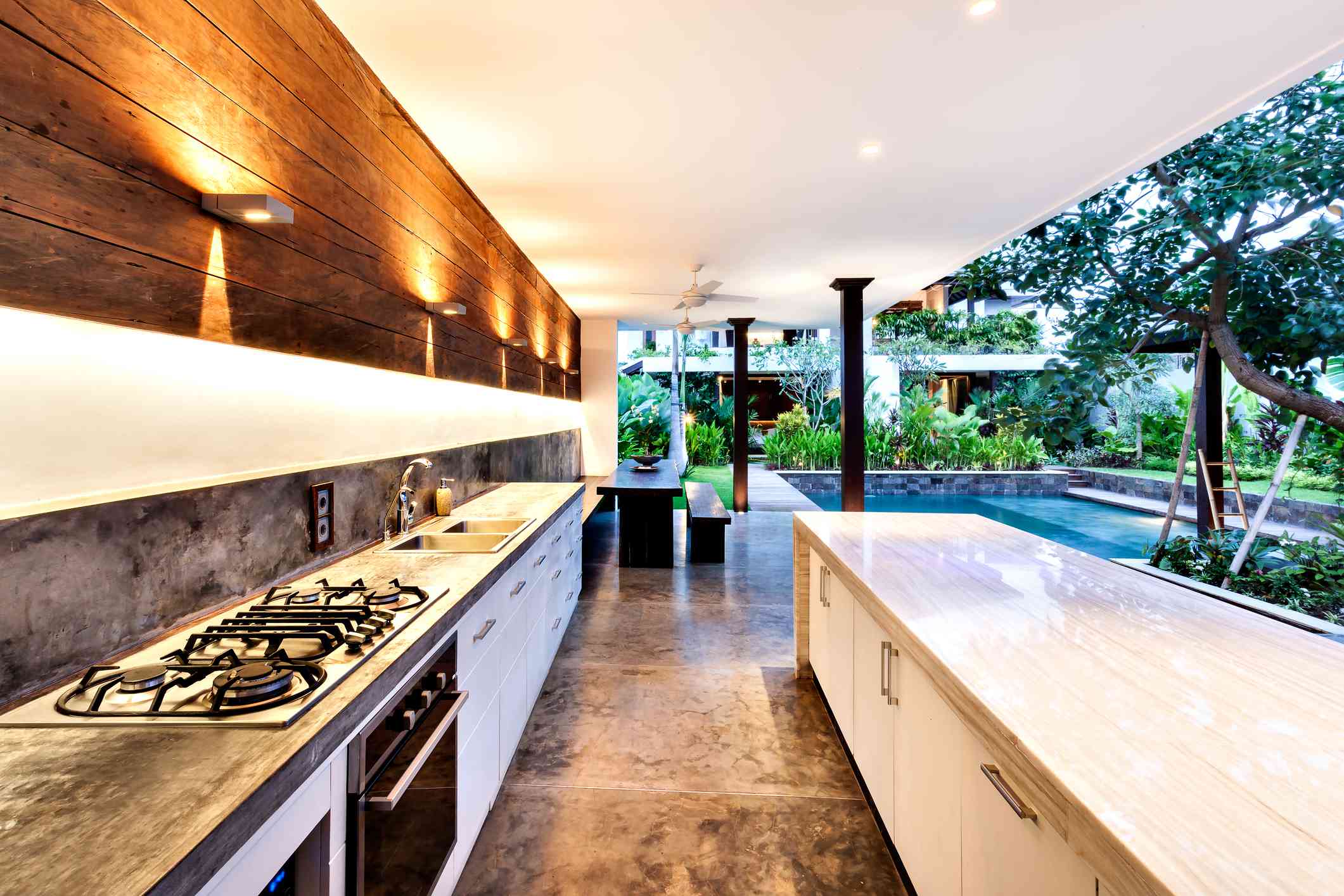
How To Avoid Outdoor Countertop Stains: Professional Guide
The longevity of an outdoor culinary workspace depends on the inherent chemical resistance of its surface materials. Exterior countertops are subjected to severe environmental stressors, including intense ultraviolet radiation, acidic precipitation, and the consistent deposition of organic contaminants. How To Avoid Outdoor Countertop Stains. Unlike indoor surfaces, these installations face a dynamic range of temperatures and moisture levels. A failure to address these conditions results in rapid etching, deep discoloration, and the compromise of sealants.
Architects and property managers recognize that surface integrity is maintained through a combination of material selection and rigorous chemical management. The absorption of pigments or oils into a porous matrix creates deep-seated discoloration that is often permanent. Prevention is achieved through the systematic application of high-performance barriers and the immediate neutralization of acidic agents. Mastery over the exterior environment is required for lasting results.
This technical guide outlines the protocols necessary for preserving high-end stone, concrete, and synthetic surfaces. By applying an analytical framework to the selection and care of these assets, designers ensure that aesthetic quality remains consistent over long-term exposure. Readers will find the necessary information to evaluate risk factors and implement proactive maintenance schedules. Achieving a pristine surface requires a departure from standard household cleaning practices.
Understanding “how to avoid outdoor countertop stains”
Experts who study how to avoid outdoor countertop stains focus on the porosity of the material. A primary error occurs when users apply indoor sealers to outdoor installations. These products are not formulated to withstand the intense thermal cycling and chemical degradation found in exterior settings. Professional-grade barriers are required to fill microscopic voids, effectively blocking the penetration of oils and dyes. Without this foundation, discoloration is inevitable.
The Dynamics of Surface Porosity
Every natural stone possesses a unique crystalline structure with varying levels of permeability. Granite, while dense, still requires protection, whereas marble is highly reactive to acids. Understanding the geological composition of the surface is the first step toward effective stewardship. Designers must avoid choosing materials that exceed the maintenance capacity of the property owner. Proper selection reduces the burden of active stain management.
Environmental Reactivity and Etching
Acids found in citrus, vinegar, and certain food products cause immediate chemical reactions on sensitive surfaces. This process, known as etching, removes the protective sealant and exposes the raw material to further damage. Regular cleaning is not enough; the surface must be treated to prevent chemical interaction. This requires the use of specialized, pH-neutral cleaners that do not compromise the protective barrier over time.
Historical Context and Material Evolution
The shift toward permanent outdoor kitchens led to the development of advanced surfacing technologies. Early installations relied on porous limestone or concrete, materials that proved difficult to maintain in exterior settings. The introduction of engineered quartz and sintered surfaces changed the landscape by offering significantly lower porosity. These technological advancements provide a robust defense against the contaminants that traditionally caused deep, lasting discoloration.
The Rise of Engineered Sintered Surfaces
Sintered surfaces are created using high-pressure heating, resulting in an exceptionally dense product. This material is virtually non-porous, making it an excellent candidate for exterior use. Because it resists both ultraviolet degradation and chemical absorption, it remains a preferred option for professional-grade outdoor setups. This transition represents the industry’s shift toward materials that are engineered for the realities of environmental exposure.
Refining the Role of Penetrating Sealants
The chemistry of sealants has moved from topical waxes to deep-penetrating silanes. These chemical agents bond with the mineral matrix, creating a hydrophobic layer without altering the appearance of the stone. This innovation allows the surface to breathe, preventing the buildup of trapped moisture. Correct application is critical, as improper technique can lead to a cloudy or inconsistent appearance.
Conceptual Frameworks for Surface Stewardship
The Absorption Resistance Model
This framework categorizes materials based on their saturation time. By utilizing materials with a low absorption coefficient, the window for contaminant removal is extended. This model shifts the focus from reactive cleaning to proactive material selection.
The pH-Neutralization Paradigm
Contaminants such as red wine or citrus are highly acidic. The goal is to immediately neutralize these agents with pH-balanced solutions. This framework prevents etching from occurring on sensitive stone surfaces, preserving the integrity of the finish.
The Thermal Stress Mitigation Strategy
Countertop materials expand and contract with temperature fluctuations. This movement can cause microscopic cracks that invite stains. Proper installation techniques, including the use of thermal expansion joints, are essential for preventing these structural pathways for contamination.
Material Variations and Maintenance Trade-offs
| Material Type | Porosity Level | Etch Resistance | Maintenance Frequency |
| Engineered Sintered | Near Zero | Excellent | Low |
| Polished Granite | Low | Moderate | Moderate |
| Honed Limestone | High | Very Low | High |
| Architectural Concrete | High | Moderate | High |
Decision logic requires matching the material to the intensity of usage. For a high-traffic area, dense materials with low absorption are required. If natural stone is preferred for aesthetic reasons, the property owner must accept the commitment to biannual resealing. Every installation requires a tailored management plan based on the specific material chosen for the project.
Assessing the Density of Natural Stone
Granite and quartzite are generally preferred for their resilience. However, the quality of these stones varies by quarry. Testing the material with water is a standard practice to determine its natural porosity before finalizing the order. High-density stones are far easier to protect, significantly reducing the labor involved in daily care.
The Importance of Honed Versus Polished Finishes
A polished finish is easier to clean, as the surface has fewer microscopic pores. Conversely, honed finishes are more prone to absorbing spills. Designers should balance the desired aesthetic against the reality of the required maintenance. Polished surfaces are often the logical choice for high-utility outdoor areas.
Detailed Real-World Scenarios How To Avoid Outdoor Countertop Stains
Coastal Salt Contamination
A high-end kitchen near the ocean suffered from mineral buildup that eventually etched the stone. The fix required a professional acid-washing followed by the application of a salt-resistant sealant. Coastal environments necessitate a unique maintenance cycle that addresses mineral deposition before it damages the surface.
Oily Contamination from Cooking
Heavy cooking zones often experience oil splatters that penetrate porous concrete. This required the use of a specialized poultice to lift the pigment from the pores. Preventing this requires an aggressive sealer that specifically blocks oils, not just water.
UV-Induced Discoloration
An installation used an inferior sealant that turned yellow under the sun. Replacing this with a UV-stable, non-yellowing fluorocarbon sealant restored the clarity of the material. Sealants must be rated for outdoor use to ensure they do not degrade under intense light.
Planning, Cost, and Resource Dynamics
| Expenditure Phase | Investment Allocation | Primary Driver | Risk Level |
| Material Specification | 30–50% | Porosity Standards | Low |
| Professional Sealing | 20–30% | Quality of Agent | Moderate |
| Proactive Cleaning | 10–20% | Frequency of Use | Very Low |
| Deep Restoration | 10–20% | Extent of Damage | High |
Financial forecasting often fails by omitting the cost of restoration. A premium installation is a long-term asset that requires planned, recurring investments in sealants and cleaning agents. By allocating capital toward high-quality materials upfront, the need for expensive restoration is minimized. Professional guidance on the specific maintenance needs of the chosen surface provides a significant return on investment.
Tools, Strategies, and Support Systems
Electronic Moisture Meters
These tools allow owners to track the hydration levels of the countertop, ensuring that sealants remain effective and moisture is not trapped.
pH-Balanced Restoration Agents
Specialized cleaners are essential for neutralizing acidic spills. They ensure that the finish remains pristine without eroding the protective seal.
Custom-Fit Protective Covers
During periods of non-use, heavy-duty covers block UV rays and prevent the accumulation of airborne contaminants. This is the most effective proactive measure.
Professional Poultice Kits
These kits are used to extract deep-seated stains. Having one on hand allows for quick response times, which is critical for stain prevention.
UV-Stable Fluorocarbon Sealants
Modern sealants provide a superior barrier that does not break down under high light exposure, ensuring the surface remains protected.
Risk Landscape and Failure Modes
Failures typically arise when a sealant is over-applied or allowed to cure improperly. This creates a gummy residue that attracts dirt, leading to premature staining. A taxonomy of failure includes the use of acidic cleaners, failure to reseal on time, and improper joint sealing. Compounding risks occur when water seeps through joints, causing structural damage. Systematic audits are required to identify these threats before they become permanent.
Governance, Maintenance, and Adaptation
Maintenance is a cycle of evaluation and action. Biannual audits should focus on the water-beading performance of the surface. If water no longer beads, it is time for a professional resealing. Any staining must be treated immediately using methods specific to the type of contaminant. Maintaining a service log ensures that the countertop is always protected according to the manufacturer’s schedule.
Measurement, Tracking, and Evaluation
-
Leading Indicators: The rate at which the countertop beads water during a test.
-
Lagging Indicators: The number of deep stains requiring a professional poultice treatment.
-
Documentation Example: The Surface Integrity Ledger, recording the dates of application for sealants and the results of periodic spot checks.
Accurate records enable efficient maintenance. They provide the necessary context for evaluating the effectiveness of the protective regime. Documentation is the hallmark of responsible property stewardship.
Common Misconceptions and Oversimplifications
-
Myth: “All natural stone is the same.” Correction: Different minerals have wildly varying levels of porosity and acid reactivity.
-
Myth: “Outdoor countertops never need sealing.” Correction: Without sealing, every porous material will absorb contaminants and eventually discolor.
-
Myth: “Vinegar is a safe, natural cleaner.” Correction: Vinegar is acidic and will permanently etch sensitive stone surfaces.
-
Myth: “A sealant lasts forever.” Correction: Environmental exposure degrades sealants, requiring regular reapplication.
Ethical, Practical, and Contextual Considerations
The goal of the designer is to create an outdoor space that is both functional and resilient. Specifying materials that are impossible to maintain is a failure of professional judgment. Ethical practice requires educating the owner on the realities of surface care. The result should be a beautiful, high-performance workspace that respects the owner’s investment and the environment.
Conclusion
The preservation of exterior surfaces is a matter of technical discipline and proactive management. Surface aesthetics depend on the rigorous application of protective barriers and the immediate response to environmental contaminants. By prioritizing low-porosity materials and adhering to a strict resealing schedule, property owners ensure that their kitchen remains a high-value asset. Authority is maintained through consistent, data-driven stewardship. This leads to a pristine, reliable outdoor culinary environment.