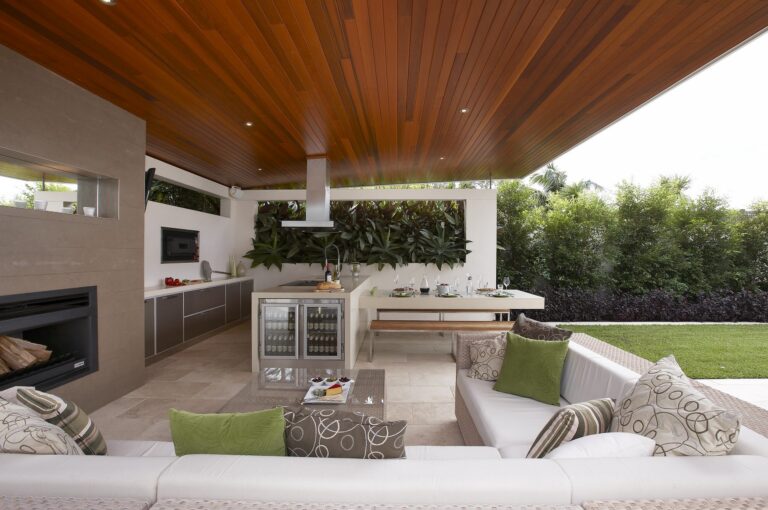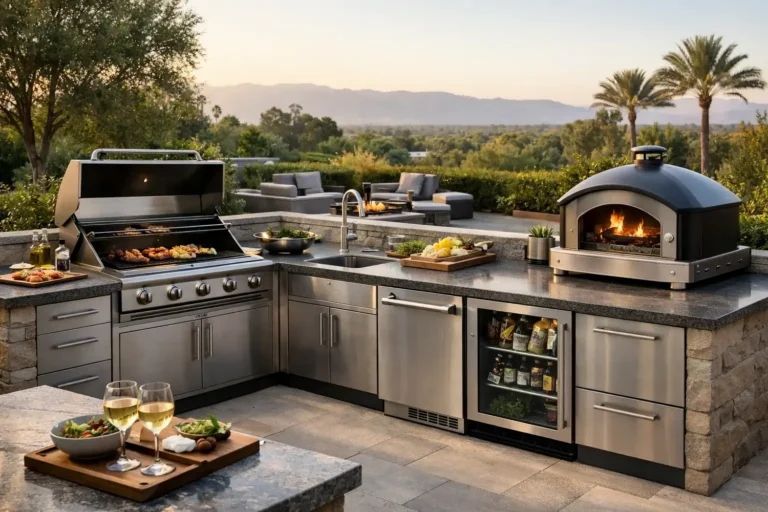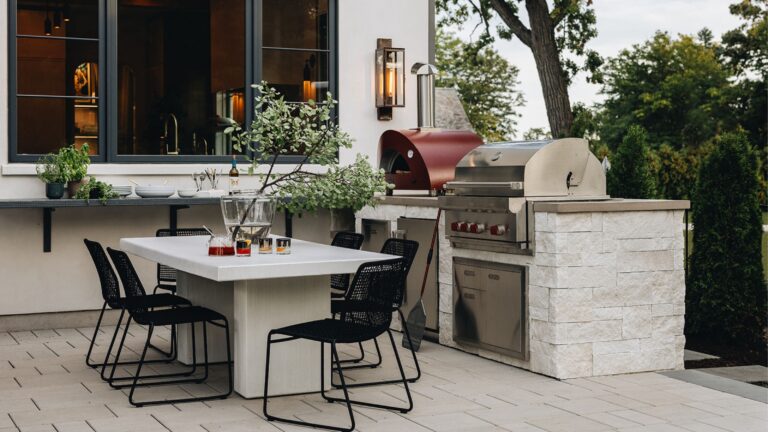
Top Outdoor Kitchen Island Plans: Engineering Guide
The design of a high-performance exterior island requires a rigorous departure from standard residential carpentry. Exposed to the unconditioned environment, these structures face extreme ultraviolet radiation, moisture saturation, and significant thermal expansion. Top Outdoor Kitchen Island Plans. A failure to address these environmental stressors leads to premature material degradation, structural instability, and functional decline. Professional-grade builds demand a transition toward building science, where durability is prioritized over mere visual appeal.
Every structural decision within an island layout carries downstream consequences. From the selection of corrosion-resistant fasteners to the integration of specialized weeping systems, each element must be calculated to withstand long-term exposure. Projects that rely on indoor-grade cabinetry techniques are prone to rapid delamination and systemic rot. Mastering this domain requires a profound respect for the physical limitations of outdoor materials and the specific demands of the climate zone.
True architectural success is defined by the longevity of the installation. By applying a disciplined, analytical lens to the construction process, designers can move beyond industry trends to focus on structural permanence. This pillar article provides the framework necessary for evaluating and executing complex exterior projects. Readers will find the technical clarity required to plan, build, and maintain an asset that demonstrates true mastery of the outdoor workspace.
Understanding “top outdoor kitchen island plans”
When engineering professionals evaluate top outdoor kitchen island plans, they focus primarily on the thermal envelope and moisture evacuation. A frequent misunderstanding involves the belief that exterior enclosures can be sealed entirely. In reality, trapped moisture is the primary cause of internal decay. Designers must incorporate active venting systems to ensure that humidity does not saturate the interior framing. Neglecting this requirement leads to mold growth and electronic component failure.
The Dangers of Structural Oversimplification
Systems often fail because designers ignore the specific load-bearing requirements of heavy appliances. High-output grills and refrigeration units impose concentrated stresses on the island frame. If the underlying structure is not reinforced, the surface materials will crack, and the frame will warp. Proper planning necessitates a structural audit of every appliance to ensure that the island can support the weight without structural deflection.
Achieving Systemic Integration
Successful installations treat the island as a component of the entire landscape ecosystem. Utility routing, including gas lines, electrical conduits, and water pipes, must be integrated concurrently with the frame construction. Cluttered, poorly planned zones create hazards and restrict critical airflow. Achieving an efficient, logical configuration requires extreme precision during the drafting and modeling phase of the project.
Deep Contextual Background of Exterior Systems
Outdoor culinary units evolved from simple, temporary garden stands into sophisticated, permanent residential assets. This transition was driven by the availability of specialized alloys and industrial-grade synthetic polymers. Residents now expect a level of performance that mirrors the primary indoor kitchen. This change represents a massive shift in the value assigned to the backyard as an essential, year-round living space.
Material Science and Engineering Innovation
The adoption of 316-grade stainless steel was a pivotal milestone. Such alloys provide the oxidation resistance required for permanent exposure in coastal or humid regions. Innovations in high-density polyethylene and composite fiberglass further expanded the aesthetic possibilities. Manufacturers now provide modular, pre-engineered solutions that offer far greater dimensional accuracy than manual on-site assembly techniques.
Shifting Architectural Expectations
Current design standards view the backyard as an all-season ecosystem. Technology integration, such as smart-grid lighting and advanced refrigeration, is a standard requirement. This expectation pushed designers to treat the exterior as a high-traffic, multi-purpose workspace. Consequently, the standards for quality and resilience have risen significantly across the entire industry.
Conceptual Frameworks for Landscape Stewardship
The Thermal Envelope Strategy
This model views the island as a heat-reactive system. Insulation is specified to protect the frame from thermal radiation. By utilizing fire-rated jackets, engineers ensure that internal components remain protected. This framework prevents safety hazards while simultaneously improving structural longevity.
The Moisture Evacuation Paradigm
This mental model accepts that water ingress is a constant reality. Design protocols mandate the inclusion of internal drainage channels. Standing water is the primary cause of material failure in the outdoors. By focusing on rapid moisture discharge, the system remains protected from internal decay and biological growth.
The Electrochemical Corrosion Framework
Metallic surfaces are naturally prone to galvanic degradation in outdoor conditions. This model mandates the use of non-conductive spacers and dedicated grounding paths. Preventing electrical contact between dissimilar metals is the core objective. This approach significantly extends the lifespan of expensive, specialized outdoor hardware.
Key Categories and Variations of Construction
| Island Category | Primary Design Benefit | Complexity Level | Remediation Difficulty |
| Modular Stainless | Rapid On-Site Assembly | Moderate | Low |
| Custom Masonry | Structural Weight | High | Severe |
| Polymer-Core Units | Moisture Resistance | Moderate | Low |
| Metal-Framed Infill | Aesthetic Precision | High | Moderate |
Decision logic should be driven by the specific climate of the site. In high-humidity coastal zones, the selection of marine-grade alloys is the primary constraint. In arid, sunny regions, the focus shifts to ultraviolet-stable polymers and heat-sink performance. Every project requires a tailored plan that addresses these specific environmental stressors.
Detailed Real-World Scenarios Top Outdoor Kitchen Island Plans
The Coastal Oxidation Challenge
A premium build was executed using standard stainless alloys in a salt-heavy region. Corrosive air caused rapid surface pitting within several months. Remediation required a complete replacement of the hardware with marine-grade 316 steel. This scenario demonstrates the critical nature of material selection in corrosive environments.
The Combustible Frame Hazard
A homeowner utilized pressure-treated lumber for an island frame. Intense heat from the grill scorched the wood, creating a major fire safety risk. The resolution involved a full rebuild using steel-stud framing. Such failures highlight the importance of adhering to strict, fire-rated design standards.
The Inadequate Ventilation Failure
An island was built without louvers to permit air movement. Trapped moisture led to massive mold growth and refrigerator compressor failure. Retrofitting vents allowed for essential cross-flow. Airflow is clearly a mandatory component of any properly designed enclosure.
Planning, Cost, and Resource Dynamics
| Expenditure Phase | Investment Allocation | Primary Driver | Risk Level |
| Infrastructure Planning | 20–35% | Utility Routing | Significant |
| Structural Framing | 25–40% | Material Grade | Moderate |
| Finishing & Cladding | 20–35% | Surface Aesthetics | Low |
| Technical Integration | 10–20% | Automation Needs | Moderate |
Financial forecasting is frequently undermined by hidden labor requirements. Trenching for gas and electrical lines is rarely a simple task. Allocating capital toward professional utility routing provides the best return on investment. Budgeting for quality structural materials is always more cost-effective than planning for expensive future repairs.
Tools, Strategies, and Support Systems
Infrared Thermal Diagnostics
These tools identify heat concentrations in the island during peak usage. This data ensures that venting is placed in the most effective locations.
Soil Conductivity Analysis
Understanding local ground chemistry informs the installation of electrical grounding and pipe protection.
Precision Assembly Jigs
Pre-fabricated framing systems ensure that factory-spec tolerances are maintained. This reduces the margin for error during field assembly.
Atmospheric Humidity Sensors
These automated devices track moisture levels inside the cabinets. They trigger ventilation fans to prevent internal condensation.
Marine-Grade Passivation
Specialized chemical agents are used to restore the protective layer on steel surfaces. This practice prevents early-stage oxidation.
Risk Landscape and Failure Modes
The failure of a system is rarely the result of a single error. Compounding risks occur when poor ventilation meets high humidity. This environment accelerates electrical faulting and material degradation. A taxonomy of failure includes the breakdown of safety interlocks, corrosion of fasteners, and structural fatigue. Proactive, regular audits remain the only method to identify these threats before they escalate into structural catastrophes.
Governance, Maintenance, and Long-Term Adaptation
A permanent exterior installation requires a structured management program. Biannual service cycles should include a comprehensive check of the manifold and electrical integrity. Passivation treatments must be performed in corrosive environments to maintain the finish. Adjustment triggers, such as slow burner performance or staining, require immediate investigation. Proactive maintenance preserves the asset’s value over its entire lifespan.
Measurement, Tracking, and Evaluation
-
Leading Indicators: The consistency of burner ignition across variable humidity levels.
-
Lagging Indicators: The frequency and cost of parts replaced due to moisture-related faults.
-
Documentation Example: The Structural Performance Ledger, which records utility capacity, grounding tests, and inspection results.
Maintaining accurate records facilitates efficient troubleshooting. It provides the necessary data for long-term planning and future system upgrades. Documentation is a key component of effective asset management and property stewardship.
Common Misconceptions and Oversimplifications
-
Myth: “Outdoor materials are indestructible.” Correction: High-performance components are sensitive to humidity and require consistent maintenance.
-
Myth: “Standard interior cabinets are suitable for outdoor use.” Correction: Humidity causes rapid delamination and structural rot in interior-grade woods.
-
Myth: “Ventilation is an optional feature.” Correction: Heat trapped in the island causes material failure and poses fire risks.
-
Myth: “DIY utility plumbing is safe.” Correction: Improper fittings often result in dangerous gas leaks and infrastructure failure.
Ethical, Practical, and Contextual Considerations
The responsibility of the designer is to ensure the absolute safety of the user. Recommending substandard materials is an ethical failure that leads to physical harm. Professional practice demands strict adherence to local building codes. An installation must serve as a model of technical engineering and sustainable design. Ethical planning respects both the owner’s investment and the environment.
Conclusion
The pursuit of the standard defined by the top outdoor kitchen island plans is an exercise in engineering discipline. Superficial aesthetics must always remain subordinate to mechanical integrity. By prioritizing structural foundations and moisture-management, the practitioner creates a durable asset. Authority in this field is earned through the rigorous application of building science. This approach results in an environment that offers reliability and safety for decades.